

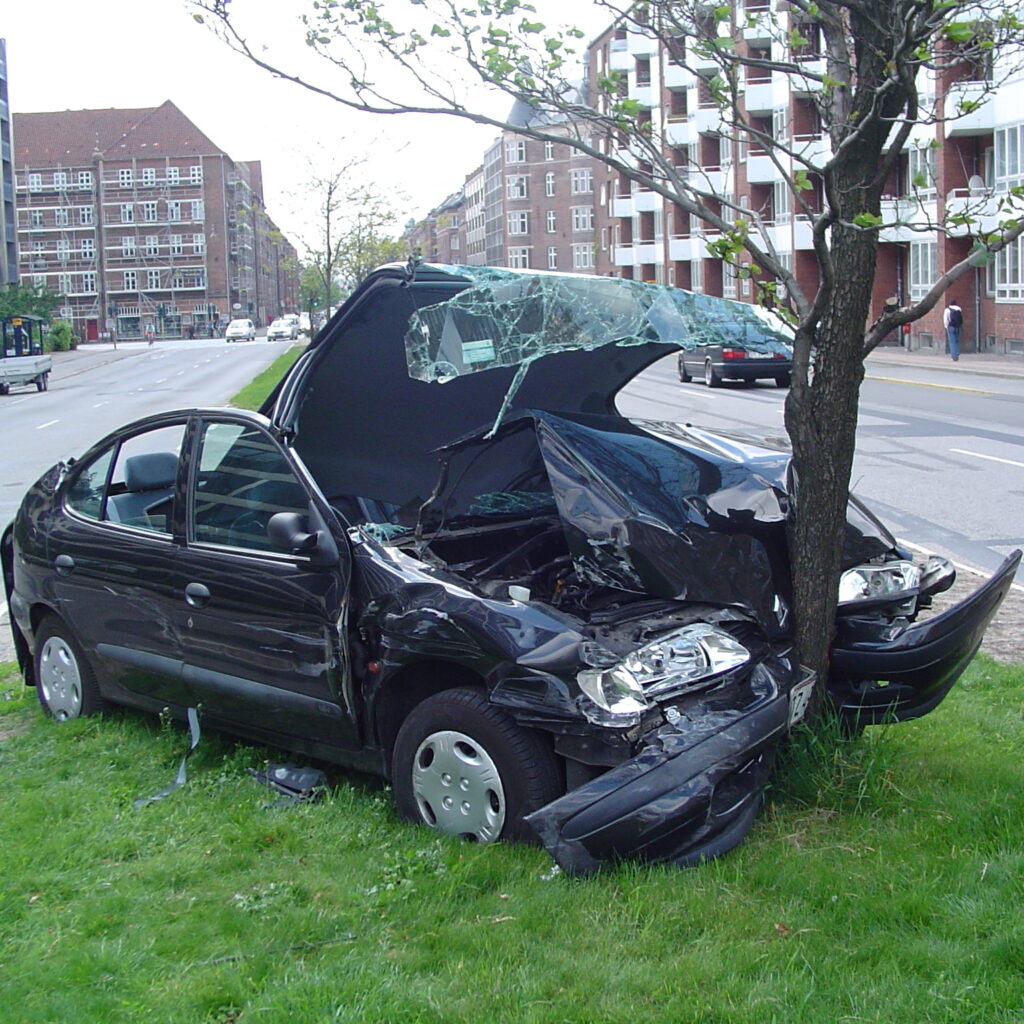
The Unquestionable Imperative: Why Auto Insurance Isn’t Optional
In the modern world, owning and operating a vehicle comes with a significant degree of responsibility, both legal and ethical. Among these responsibilities, possessing adequate auto insurance stands out as perhaps the most critical. Far from being a mere suggestion or an inconvenient expense, auto insurance is a fundamental safeguard designed to protect drivers, passengers, pedestrians, and property from the inherent risks associated with road travel. Understanding the multifaceted reasons why auto insurance is not just beneficial, but often legally mandated and financially indispensable, is crucial for every driver.
1. It’s the Law: A Legal Mandate for Public Safety
The most immediate and often most compelling reason to carry auto insurance is that it is legally required in almost every state and country. These laws aren’t arbitrary; they are enacted to protect all road users. Minimum liability coverage is typically mandated to ensure that if you, as a driver, are at fault in an accident, there is a financial mechanism in place to compensate the injured parties for their medical expenses, lost wages, and property damage.
Driving without insurance can lead to severe consequences, including:
- Fines and Penalties: Significant monetary penalties are common for uninsured driving.
- License Suspension/Revocation: Your driving privileges can be suspended or permanently revoked.
- Vehicle Impoundment: Your car might be seized by authorities.
- Jail Time: In some jurisdictions, repeated offenses can even lead to incarceration.
- SR-22 Requirements: You may be required to file an SR-22 form, proving future financial responsibility, which can drastically increase future insurance premiums.
These legal requirements underscore society’s recognition of the potential havoc uninsured accidents can wreak and the collective effort to mitigate that risk for everyone on the road.
2. Protecting Your Finances from Liability Claims
Imagine causing a severe multi-vehicle accident. The costs could include:
- Extensive Medical Bills: For multiple injured parties, potentially involving long-term care, rehabilitation, and lost future earnings.
- Property Damage: Repair or replacement of several vehicles, damaged infrastructure, or even buildings.
- Legal Defense Fees: Even if you weren’t entirely at fault, defending yourself against lawsuits can be astronomically expensive.
- Pain and Suffering Awards: Courts can award substantial sums for emotional distress.
Without liability insurance, you would be personally responsible for these staggering costs. This could mean draining your savings, liquidating assets, facing wage garnishments, or even bankruptcy – consequences that could devastate your financial future for decades. Auto liability insurance covers these costs up to your policy limits, defending you in court and paying out legitimate claims, thereby shielding your personal wealth from potentially ruinous financial obligations.
3. Safeguarding Your Own Vehicle Investment
Your vehicle, for many, represents a significant investment, often the second largest asset after a home. While liability insurance protects others, you also need protection for your own car. This is where Collision and Comprehensive coverages become vital:
- Collision Coverage: This pays for damage to your car resulting from a collision with another vehicle or object, regardless of who is at fault. If your car is totaled, it provides funds to replace it (up to its actual cash value). Without it, even a minor fender bender could leave you with a substantial repair bill you can’t afford, effectively rendering your car unusable.
- Comprehensive Coverage: This protects your vehicle from non-collision-related incidents. Think theft, vandalism, fire, natural disasters (hail, floods, falling trees), or hitting an animal. These events are unpredictable and can cause significant damage or total loss. Comprehensive coverage ensures you’re not left to bear these costs alone.
For those with car loans or leases, these coverages are not optional; lenders typically require them to protect their financial interest in the vehicle.
4. The Risk of Uninsured and Underinsured Drivers
Despite legal requirements, a concerning number of drivers operate without insurance, or with only the bare minimum liability coverage that is insufficient to cover serious accidents. This presents a significant risk to even the most responsible, fully insured drivers.
- Uninsured Motorist (UM) Coverage: This protects you if you are hit by a driver who has no insurance. It covers your medical bills and, in some states, property damage.
- Underinsured Motorist (UIM) Coverage: This kicks in when an at-fault driver has some insurance, but their policy limits are too low to cover the full extent of your damages or injuries. UIM coverage makes up the difference, ensuring you’re not left with outstanding bills.
These coverages are crucial because even if you’re the safest driver on the road, you can’t control the actions or insurance status of others. UM/UIM acts as a critical safety net against the irresponsibility of others.
5. Covering Medical Expenses for You and Your Passengers
Accidents often result in injuries, and medical costs can quickly escalate. Auto insurance policies include coverages designed to help with these expenses:
- Personal Injury Protection (PIP) or Medical Payments (MedPay): These coverages pay for medical expenses for you and your passengers, regardless of who was at fault in the accident. This can include ambulance fees, hospital stays, doctor visits, surgery, and rehabilitation. PIP can also cover lost wages and essential services if your injuries prevent you from working or performing daily tasks. Having this coverage means immediate medical attention can be sought without the added stress of looming bills.
6. Providing Essential Peace of Mind
Beyond the tangible financial and legal protections, one of the most significant benefits of auto insurance is the peace of mind it offers. Driving, especially in busy traffic or unfamiliar areas, can be stressful. Knowing that you are financially protected against the vast array of potential mishaps on the road allows you to drive with greater confidence and less anxiety. In the unfortunate event of an accident, you can focus on your well-being and recovery, rather than being overwhelmed by immediate financial catastrophe. This psychological security is invaluable.
7. Meeting Loan or Lease Requirements
If you finance or lease your vehicle, the lender or leasing company has a significant financial stake in it. To protect their investment, they almost invariably require you to carry full coverage insurance, including collision and comprehensive, until the loan is paid off or the lease term ends. Failing to maintain this required coverage can result in the lender purchasing expensive “force-placed” insurance for you and adding the cost to your loan, or even repossessing the vehicle.
8. Access to Additional Services and Benefits
Many auto insurance policies offer optional coverages and services that, while not mandatory, provide immense value:
- Roadside Assistance: Flat tire? Dead battery? Out of gas? Roadside assistance coverage can be a lifesaver, providing towing, lockout services, and other help when you’re stranded.
- Rental Car Reimbursement: If your vehicle is in the shop after a covered accident, this coverage pays for a rental car so you can maintain your mobility.
- Gap Insurance: For new cars that depreciate quickly, gap insurance covers the difference between what you owe on your loan and what the car is worth if it’s totaled.
These supplementary coverages enhance the overall protective umbrella of your auto insurance policy.
Conclusion
In conclusion, auto insurance is not a luxury; it is a fundamental necessity for anyone who drives. It serves as a comprehensive shield against legal penalties, devastating financial losses, and the inherent uncertainties of the road. From fulfilling legal obligations and protecting against your own liability to safeguarding your vehicle, covering medical expenses, and acting as a buffer against uninsured drivers, the reasons for having robust auto insurance are numerous and compelling. It is an investment in your safety, your financial stability, and your peace of mind, ensuring that an unforeseen event on the road doesn’t derail your entire future. To drive without it is to gamble with potentially catastrophic consequences for yourself and others.