

The Intersection of Protection and Payments: How Home Insurance Dictates Your Escrow Health
For many homeowners, the monthly mortgage payment is a single, monolithic number that leaves their bank account every month. However, that number is rarely just the cost of borrowing money. In the industry, we use the acronym PITI: Principal, Interest, Taxes, and Insurance. While the “P” and “I” (Principal and Interest) usually remain static on a fixed-rate mortgage, the “T” and “I” (Taxes and Insurance) are the variables that cause that monthly payment to fluctuate.
Of these variables, home insurance is perhaps the most dynamic. Understanding the symbiotic relationship between your homeowners insurance policy and your escrow account is critical to avoiding “sticker shock” during your annual mortgage review.
What is an Escrow Account?
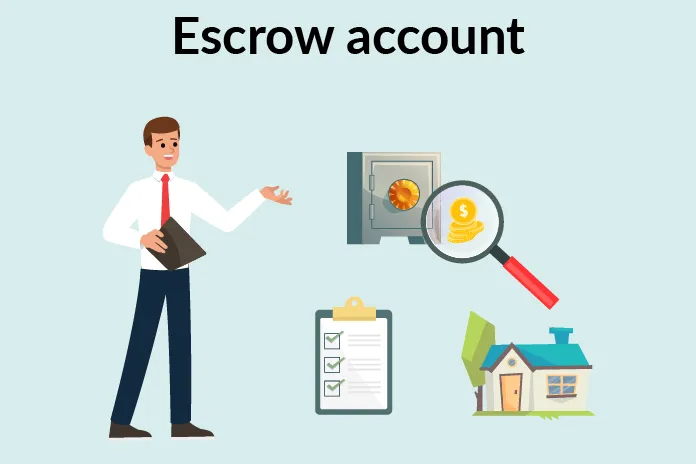
At its simplest level, an escrow account is a neutral holding tank managed by your mortgage servicer. Think of it as a forced savings account. Instead of you having to come up with thousands of dollars once a year to pay your property taxes and your annual insurance premium, the lender collects one-twelfth of those estimated costs from you every month.
When those bills come due, the lender uses the funds accumulated in the escrow account to pay the insurance company and the tax assessor on your behalf.
Why Do Lenders Require Escrow?
From a financial services perspective, escrow accounts are a risk-management tool. When a bank lends you money to buy a home, that home is the collateral. If the home burns down and you don’t have insurance, the collateral is gone, and the bank is left with a defaulted loan and no way to recoup the loss.
By managing the insurance payments through an escrow account, the lender ensures that the policy never lapses. They take the responsibility of payment out of the homeowner’s hands to guarantee that their interest in the property remains protected.
The Lifecycle of an Insurance Payment through Escrow
When you first purchase a home, you typically pay the first full year of homeowners insurance upfront at the closing table. Simultaneously, the lender usually requires you to put a few months’ worth of insurance premiums into the escrow account to start a “cushion.”
Throughout the year, a portion of each mortgage payment is diverted into this account. About 30 to 60 days before your insurance policy expires, your insurance carrier sends a bill to your mortgage servicer. The servicer then issues a check (or electronic payment) from your escrow funds to the carrier. This cycle repeats annually for the life of the loan.
The Annual Escrow Analysis: The Source of “Mortgage Surprise”
Once a year, federal law (specifically the Real Estate Settlement Procedures Act, or RESPA) requires lenders to perform an “escrow analysis.” The lender looks at how much they collected versus how much they actually paid out for taxes and insurance.
Because home insurance premiums are not fixed, this is where complications arise. If your insurance company raised your rates by $300 during the year, your lender likely paid that higher amount to keep your coverage active. However, because they were only collecting the “old” lower rate from you, your escrow account now has a shortage.
When a shortage occurs, the lender generally gives you two options:
- Pay the shortage in a lump sum: This covers the “hole” from the previous year.
- Spread the shortage over 12 months: This gets added to your new monthly payment.
Crucially, even if you pay the shortage in a lump sum, your monthly mortgage payment will still go up. Why? Because the lender must now collect the new, higher premium amount for the coming year, plus maintain the required two-month cushion.
Why Insurance Rates Are Rising (And Hitting Escrows Harder)
In the current economic climate, we are seeing significant volatility in escrow accounts due to rising insurance premiums. Several factors are driving this:
- Replacement Cost Inflation: As the cost of lumber, labor, and roofing materials rises, the “dwelling limit” on your policy must increase to ensure you can actually rebuild after a loss. Higher coverage limits equal higher premiums.
- Climate and Catastrophic Risk: An increase in wildfires, hurricanes, and severe storms has led many carriers to raise rates across entire zip codes, even for homeowners who have never filed a claim.
- Reinsurance Costs: Insurance companies buy their own insurance (reinsurance). As those global costs rise, they are passed down to the consumer.
When your insurance premium jumps by 20%, it doesn’t just change your “insurance” line item; it ripples through your escrow analysis, often resulting in a monthly mortgage increase that feels disproportionate to the premium hike.
Switching Insurance Providers While in Escrow
One of the best ways to manage your escrow costs is to “shop” your insurance. If you find a better rate with a different carrier, you can switch at any time—you don’t have to wait for your renewal date. However, doing this incorrectly can cause an escrow nightmare.
If you switch providers:
- Notify your lender immediately: Provide them with the new “Evidence of Insurance” and the “Loss Payee Clause” (which identifies the lender’s interest).
- Request a refund from the old carrier: Since your escrow account likely paid for the full year upfront, the old insurance company owes you a pro-rated refund for the unused months.
- Put that refund back into escrow: This is a common mistake. Homeowners receive the refund check from their old insurance company and spend it. However, the lender has already “spent” that money from your escrow. To avoid a massive shortage at the next analysis, you should send that refund check directly to your mortgage servicer to be deposited back into your escrow account.
The Danger of Lapses: Lender-Placed Insurance
If you fail to pay your insurance or if your policy is canceled and you don’t replace it, the lender will receive a notice of cancellation. To protect their collateral, they will purchase Lender-Placed Insurance (also known as Force-Placed Insurance).
As an advisor, my advice is simple: Avoid this at all costs.
Lender-placed insurance is significantly more expensive—often two to three times the cost of a standard policy. Furthermore, it typically only covers the structure (the lender’s interest) and provides no coverage for your personal belongings or liability protection. The premium for this expensive, inferior policy will be charged to your escrow account, leading to a staggering increase in your monthly mortgage payment.
Strategies for Managing Your Escrow-Insurance Relationship
To keep your finances predictable, consider these proactive steps:
- Review your annual renewal: Don’t just let the bill go to the lender. Review the renewal notice from your insurance company 60 days before it’s due. If the rate has spiked, shop around before the lender pays the bill.
- Buffer your account: If you know your insurance or taxes are going up, you can often make voluntary additional payments into your escrow account to head off a shortage.
- Check the “Cushion”: Most lenders are allowed to keep a cushion equal to one-sixth (two months) of your total annual escrow outlays. Ensure your lender isn’t over-collecting beyond what is legally allowed.
Conclusion
Your home insurance policy is the primary engine behind the fluctuations in your mortgage payment. While the escrow system provides the convenience of consolidated billing and ensures your home remains protected, it requires active oversight. By understanding that your “mortgage payment” is actually a collection of different financial obligations, you can better navigate the complexities of homeownership and ensure that your most valuable asset—and your monthly budget—remains secure.
As a Senior Financial Services Advisor, I recommend consulting with your mortgage servicer’s escrow department and your insurance agent annually to ensure your coverage is adequate and your accounts are balanced.