

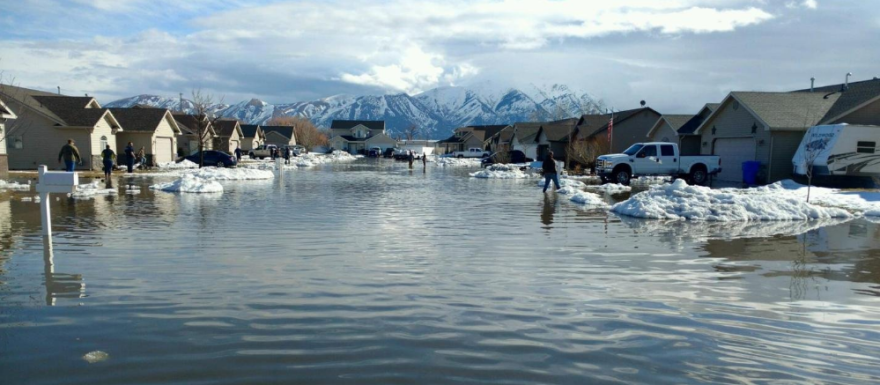
Flooding remains one of the most devastating natural disasters, causing billions of dollars in damage annually and displacing countless individuals and families. Despite its pervasive threat, many property owners remain dangerously uninsured or underinsured against flood damage, often mistakenly believing their standard homeowners’ policies offer protection. This critical oversight can lead to profound financial ruin, highlighting the indispensable role of flood insurance in a robust risk management strategy. As climate patterns shift and urban development alters natural landscapes, understanding and securing adequate flood coverage has never been more crucial.
The Unseen Threat: Why Standard Policies Fall Short
The fundamental reason flood insurance exists as a separate policy stems from its exclusion in standard homeowners’ and commercial property insurance. These policies are designed to cover perils like fire, theft, and wind damage, but explicitly exclude damage caused by rising water from external sources, which is the definition of a flood. This distinction is vital: water damage from a burst pipe inside your home is typically covered, but damage from a river overflowing its banks or excessive rainfall overwhelming drainage systems is not. Relying solely on federal disaster assistance after a flood is also a perilous gamble; such aid is primarily provided in the form of low-interest loans, not grants, and seldom covers the full extent of losses, leaving homeowners with significant debt alongside the burden of rebuilding.
The Bedrock of Protection: The National Flood Insurance Program (NFIP)
For decades, the primary source of flood insurance in the United States has been the National Flood Insurance Program (NFIP), a federal program managed by the Federal Emergency Management Agency (FEMA). Established in 1968, the NFIP aims to reduce the escalating costs of flood damage by making flood insurance available to property owners in participating communities, while simultaneously promoting floodplain management. The program is unique in that while FEMA sets the guidelines and rates, policies are often sold and serviced by a network of private insurance companies through the “Write Your Own” (WYO) program, acting as agents for the NFIP. This structure blends government backing with private sector distribution, making coverage accessible across the nation.
NFIP policies offer two main types of coverage: Building Coverage and Contents Coverage. Building coverage protects the physical structure of your home, including its foundation, electrical and plumbing systems, furnaces, water heaters, and built-in appliances. Detached garages are also covered, albeit with limitations. Contents coverage, often purchased separately, safeguards your personal belongings such as clothing, furniture, electronics, and other movable items. It’s crucial to understand what NFIP policies do not cover: typically, they exclude landscaping, vehicles (which are generally covered by comprehensive auto insurance), temporary living expenses, financial losses due to business interruption, and moisture, mold, or mildew damage that could have been prevented by the property owner. Additionally, there’s usually a 30-day waiting period before an NFIP policy becomes effective, underscoring the importance of proactive purchasing rather than waiting for an impending storm.
Demystifying Flood Zones and Premiums: The Evolution of Risk Rating 2.0
Flood insurance premiums have historically been determined by factors such as a property’s flood zone designation, as mapped by FEMA, and its elevation relative to the Base Flood Elevation (BFE). High-risk zones (e.g., Zones A and V) mandated coverage for mortgaged properties, while moderate-to-low risk zones (e.g., Zone X) often led to a false sense of security, despite the fact that a significant percentage of flood claims originate from these areas.
However, the NFIP has undergone a significant transformation with the introduction of Risk Rating 2.0: Equity in Action. This new methodology, implemented starting in 2021, aims to provide more equitable and accurate pricing by incorporating a broader array of flood risk variables. Instead of relying primarily on general flood zone maps, Risk Rating 2.0 considers individual property-specific factors such as:
- Distance to water sources: The proximity of a building to rivers, lakes, or coastlines.
- Property elevation: The precise elevation of the lowest floor relative to ground level.
- Types of flooding: The specific flood risks a property faces (e.g., riverine, coastal, pluvial/rain-induced).
- Construction type: The materials and methods used in a building’s construction.
- Rebuilding costs: The actual cost to rebuild a specific home.
This shift moves away from a “one-size-fits-all” approach, often resulting in more precise pricing that better reflects a property’s unique flood risk. For some, this means lower premiums, while others may see increases. The goal is to make premiums fairer and more transparent, encouraging more people to buy insurance and promoting greater awareness of individual flood risk.
The Expanding Landscape: Private Flood Insurance
While the NFIP remains a cornerstone, the private flood insurance market has experienced considerable growth in recent years. Fueled by advancements in flood modeling technology and a desire for more flexible coverage options, private insurers are increasingly offering alternatives or supplements to NFIP policies.
The advantages of private flood insurance can be compelling. They may offer:
- Potentially lower premiums: For some properties, particularly those in lower-risk areas or with specific mitigation efforts, private carriers might offer more competitive rates.
- Higher coverage limits: Private policies can often provide coverage beyond the NFIP’s maximums (e.g., $250,000 for building and $100,000 for contents), which is vital for high-value homes and businesses.
- Broader coverage options: Some private policies include coverage for additional living expenses (if you’re displaced), loss of use, business interruption, or basement contents, which the NFIP typically excludes or limits.
- Faster claims processing: While not universally true, some private carriers are lauded for more agile claims handling.
However, the private market also has its nuances. Availability can vary significantly by state and specific flood risk, and policies may not be as standardized as the NFIP. It’s crucial to compare coverage details, deductibles, and customer service records when considering private options.
Who Needs Flood Insurance? A Question for Everyone
The question of who needs flood insurance often conjures images of coastal properties or homes directly adjacent to major rivers. However, this perspective is dangerously narrow.
- Mandatory for some: If you live in a high-risk flood zone (Zone A or V) and have a federally backed mortgage, flood insurance is legally required.
- Wise for everyone: A significant portion—around 25%—of all flood claims come from properties located in moderate-to-low risk zones. “Low risk” does not mean “no risk.” Heavy rainfall can cause flash floods anywhere, overwhelming local drainage systems.
- Renters too: If you rent, your landlord’s insurance covers the building, but not your personal belongings. Renters insurance does not cover floods, so a separate flood contents policy is essential.
- Business owners: Flooding can devastate commercial properties and inventory. Business owners need to secure adequate coverage to protect their assets and ensure continuity.
Key Considerations for Proactive Protection
Securing flood insurance is just the first step. Property owners should also:
- Act Early: Do not wait for a flood watch or warning. The 30-day waiting period for NFIP policies means that last-minute purchases are often too late.
- Understand Your Policy: Carefully review coverage limits, deductibles, and exclusions for both building and contents coverage. Don’t assume anything is covered.
- Inventory Possessions: Create a detailed home inventory, including photos or videos of your belongings, especially those in basements or at lower levels. This is invaluable for claims processing.
- Explore Mitigation Efforts: Elevating utilities, installing flood vents, or implementing other flood-proofing measures can not only reduce your risk of damage but potentially lower your insurance premiums under Risk Rating 2.0.
- Consult a Knowledgeable Agent: An experienced insurance agent specializing in flood coverage can help you navigate NFIP and private market options, assess your specific risk, and ensure you have adequate protection.
In conclusion, flood insurance is not a luxury but a necessity for property owners in an increasingly flood-prone world. While the NFIP provides a foundational layer of protection, the evolving landscape of private options and sophisticated risk assessment tools like Risk Rating 2.0 offer tailored solutions. Proactive engagement with your flood risk and a comprehensive understanding of your insurance options are paramount to safeguarding your financial future against the unpredictable power of water. Don’t let a flood sweep away your most significant investment; secure your peace of mind with robust flood insurance.